Service planning
Interior and Exterior Painting Planning in Melbourne
A painting quote depends on more than the visible area. Document the surfaces, their condition, access, preparation concerns and the finish you want, then ask the provider to describe the products and preparation included.
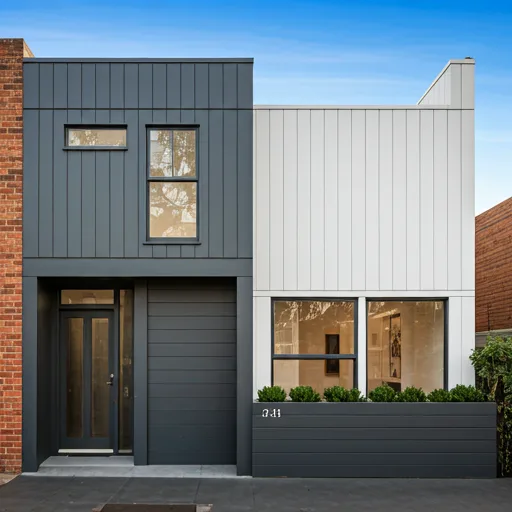
Describe the surfaces and their condition
Separate interior and exterior areas and identify each surface type where known: plaster, timber, masonry, metal or an existing coated surface. Photograph peeling, cracking, staining, chalking, moisture marks, damaged timber and areas that are difficult to reach. Describe what you can see without diagnosing the cause; moisture, structural and hazardous-material concerns may need assessment by an appropriately qualified professional.
Specify preparation and access
Preparation can affect the scope substantially. Ask the painter to list the preparation steps proposed for each surface, including what will be repaired, cleaned, sanded, primed, protected or removed. For elevated or restricted areas, confirm access equipment, protection and any site arrangements that are included or excluded.
For older painted surfaces, do not disturb coatings that may contain hazardous material until the risk has been assessed and the correct controls are confirmed. Ask who is responsible for testing, safe work methods and disposal where those matters apply.
Compare the coating schedule
Request the manufacturer's product name, preparation system, number of coats, colour, sheen and areas of application in writing. Confirm expected appearance under the site's lighting and ask for the manufacturer's care and maintenance information. A general label such as “weatherproof” or “low VOC” is not a substitute for a named product and its current technical documentation.
Build a comparable painting brief
- List rooms, elevations, surfaces and approximate areas.
- Attach photos and mark visible damage or access constraints.
- State colour and finish preferences, or note which choices are undecided.
- Ask for preparation, products, coats, protection, exclusions and cleanup to be itemised.
- Confirm the proposed schedule, site access and how extra repairs will be approved.
Cost and timing depend on surface condition, preparation, access, product selection and the scope. Ask for a written proposal after the relevant surfaces and assumptions have been reviewed.
What to consider
- Surface types, visible condition, access and protection requirements
- Preparation steps, named products, colours, sheen and coat schedule
- Any moisture, structural or hazardous-material concern that needs separate assessment
Preparing an enquiry
- Photograph each area and label the surface and visible concern.
- List access limits, items to protect and finish preferences.
- Request an itemised scope and ask how repairs or extra preparation are handled.
Frequently Asked Questions
Why do painting quotes differ?
Quotes may use different assumptions about surface preparation, repairs, access, products, number of coats, protection and cleanup. Compare these items in writing before choosing a proposal.
Should damaged or damp surfaces be painted straight away?
The cause and condition should be assessed before coating over a problem. Ask the relevant building or trade professional to identify and address the underlying issue first.
Continue planning
Review the service overview and planning resources, then send an enquiry with the information you have available.